Income Replacement Benefits vs. Non-Earner Benefits

What are Income Replacement Benefits?
Read More about Income Replacement Benefits vs. Non-Earner Benefits

What are Income Replacement Benefits?
Read More about Income Replacement Benefits vs. Non-Earner Benefits
This is the second article in our two part series about Traumatic Brain Injuries (TBI) in Children. (You can read our Part 1 here).
Read More about Children’s Brain Injury Lawyer, What to Expect
When a child suffers a Traumatic Brain Injury, (TBI) the implications can be serious. Parents are extremely worried about the health and future well-being of their injured child, regardless of how severe the injury appears at the moment.
When you are a victim of an accident, the first question that comes to mind is usually “who is to blame?” And if it appears that someone else is at fault, the next question is, “how will they be held liable?”
Ontario has a No-Fault Benefits system, known as no-fault insurance to most, which is commonly misunderstood. Read on to understand No-Fault Benefits and how they differ from Fault-based lawsuits, otherwise known as Tort Claims.
Read More about No-Fault Benefits Versus Fault-Based Lawsuits (Tort Claim)
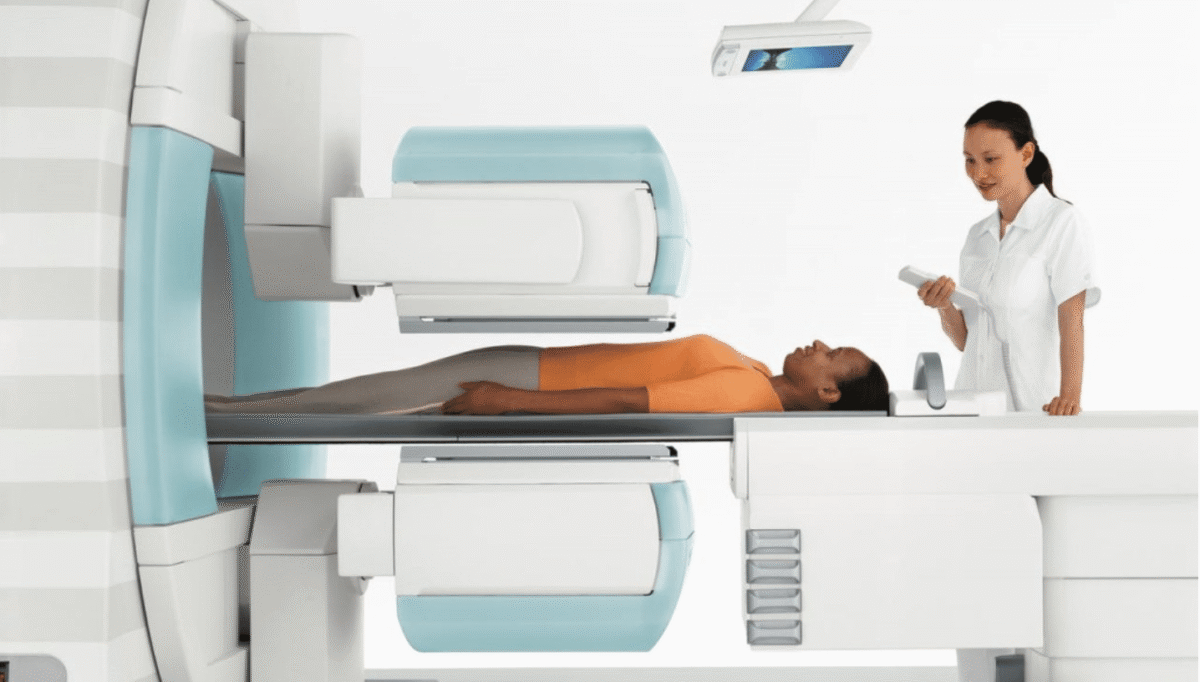
Accident victims who suffer catastrophic impairments can access greatly enhanced accident benefits funding, which in turn promotes higher value claims settlements. To be deemed catastrophically impaired under the criteria set out in the Statutory Accident Benefits Schedule (SABS), an accident victim with a Traumatic Brain Injury (TBI) requires objective evidence of the injury on diagnostic imaging, supported by expert medical opinions. This presents a challenge when the initial trauma results in a mild TBI (or concussion), because these injuries do not usually show up on standard imaging technology (x-ray, CT and MRI). Recently, however, scans taken with a newer technology called single-photon emission computerized tomography (SPECT) have been accepted by Ontario courts as an evidentiary tool for demonstrating mild TBI, although its use has been controversial.
Accident victims who suffer catastrophic impairments can access greatly enhanced accident benefits funding, which in turn promotes higher value claims settlements. To be deemed catastrophically impaired under the criteria set out in the Statutory Accident Benefits Schedule (SABS), an accident victim with a Traumatic Brain Injury (TBI) requires objective evidence of the injury on diagnostic imaging, supported by expert medical opinions. This presents a challenge when the initial trauma results in a mild TBI (or concussion), because these injuries do not usually show up on standard imaging technology (x-ray, CT and MRI). Recently, however, scans taken with a newer technology called single-photon emission computerized tomography (SPECT) have been accepted by Ontario courts as an evidentiary tool for demonstrating mild TBI, although its use has been controversial.