Champions With Heart.

Campisi Injury Lawyers Recognized by Best Lawyers® in Canada™ for 2027

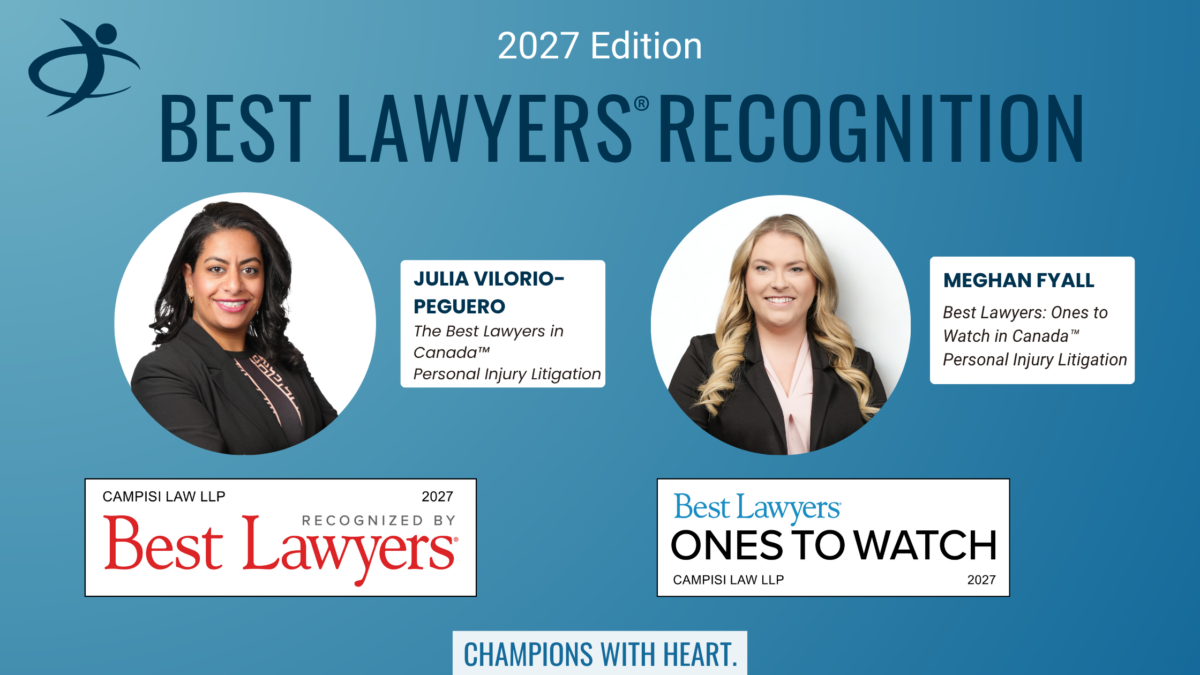
We are proud to announce that two members of the Campisi Law team have received recognition from Best Lawyers®, one of the legal profession’s most respected peer reviewed publications.

Julia Vilorio-Peguero has been recognized in The Best Lawyers in Canada™ (2027 Edition) for Personal Injury Litigation

Name: Julia Vilorio-Peguero
Title: Partner, Campisi Law
Recognition: The Best Lawyers in Canada™ (2027 Edition)
Practice area: Personal Injury Litigation
Consecutive years listed: Third (2025, 2026, 2027)

Julia Vilorio-Peguero, a partner at Campisi Law, has been recognized in The Best Lawyers in Canada™ (2027 Edition) for Personal Injury Litigation, marking her third consecutive year on the list following prior recognitions in 2025 and 2026. Since graduating law school in 2015 with dual Canadian and American law degrees, Julia has worked exclusively in personal injury law, representing accident victims before the Superior Court of Justice, the Financial Services Commission of Ontario, and the Licence Appeal Tribunal. She is fluent in Arabic and conversational in Spanish, and continues to advocate for vulnerable clients across Vaughan and Ontario in their fight to recover fair compensation from insurers.

Meghan Fyall Named to Best Lawyers: Ones to Watch in Canada™ 2027 (Edition)

Name: Meghan Fyall
Title: Associate, Campisi Law
Recognition: Best Lawyers: Ones to Watch in Canada™ (2027 Edition)
Practice area: Personal Injury Litigation
Called to the Ontario Bar: 2021

Meghan Fyall, an associate at Campisi Law, has been recognized in Best Lawyers: Ones to Watch in Canada™ (2027 Edition) for Personal Injury Litigation. Called to the Ontario Bar in 2021, Meghan has practiced exclusively in personal injury law, handling both tort and accident benefits claims. Her advocacy was on full display earlier this year when she secured a rare special award for a client after Onlia Insurance Company unreasonably delayed benefits for over two years [Full case writeup on campisilaw.ca], with the Licence Appeal Tribunal finding the insurer’s conduct unreasonable and awarding $13,019.34 plus interest (Larmond v. Onlia Insurance Company, 2026 ONLAT 24-006504/AABS).

About Best Lawyers® Recognition

Best Lawyers® selections are based entirely on peer review. The methodology involves rigorous evaluation by leading lawyers in the same communities and practice areas. Lawyers are not permitted to pay for inclusion, and being recognized requires consistent excellence as acknowledged by one’s professional peers.

Our Firm Commitment

For over two decades, Campisi Law has focused exclusively on personal injury law, serving clients across Vaughan, Woodbridge, and Ontario. We understand the difference skilled advocacy can make for individuals and families facing uncertainty after an accident.

These honours for Julia and Meghan reflect the calibre of our team as a whole and our commitment to maintaining the highest standards of advocacy across the firm.

If you or a loved one has been injured in an accident, please contact us today.

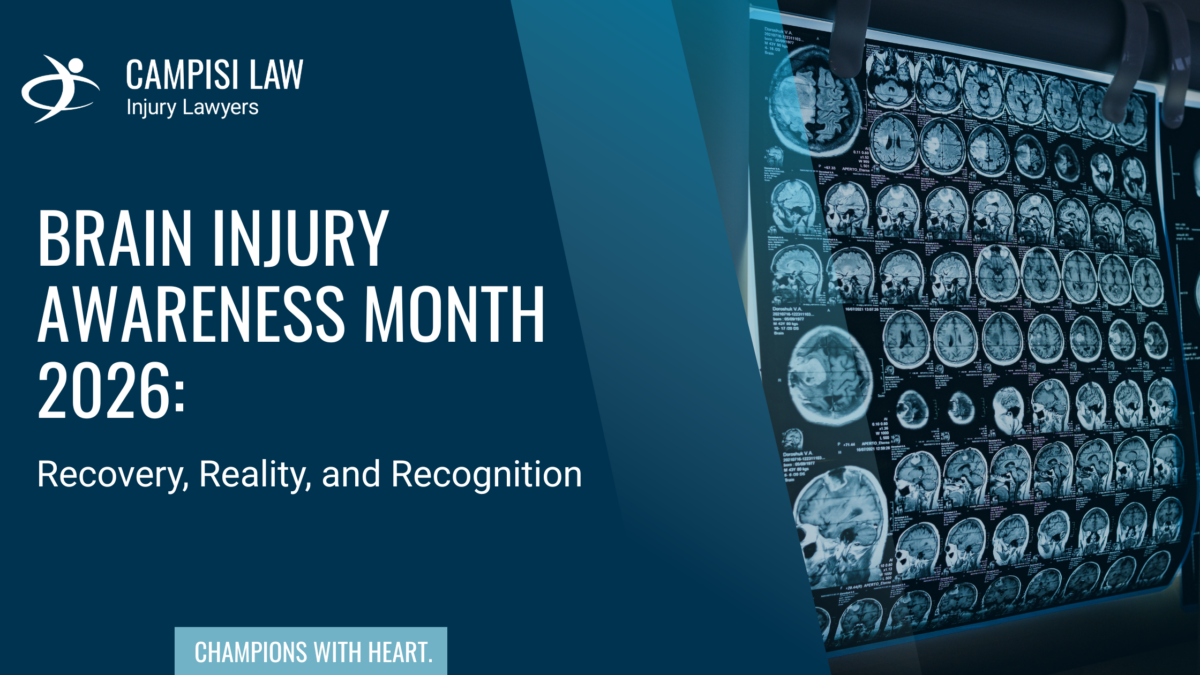
Brain Injury Awareness Month 2026: Recovery, Reality, and Recognition

A Commitment Beyond Awareness: Standing with Brain Injury Canada

June marks Brain Injury Awareness Month 2026, a time dedicated not only to recognition but to meaningful action. At Campisi Law, we stand in solidarity with survivors, families, caregivers, and advocates across Canada in partnership with Brain Injury Canada to amplify a message that extends far beyond statistics: brain injury is a life-altering experience that demands understanding, compassion, and sustained support.

Through the 2026 campaign theme, Recovery. Reality. Recognition., we are reminded that brain injury is not a single moment in time, but a lifelong journey that affects every aspect of human experience.

Understanding the Purpose of Brain Injury Awareness Month

Brain Injury Awareness Month exists because brain injuries are often misunderstood. Unlike a broken arm or a visible wound, many brain injuries leave no obvious physical signs. A person may look completely fine on the outside while struggling with memory loss, fatigue, concentration difficulties, emotional regulation challenges, anxiety, or depression every day. These invisible symptoms can make it difficult for survivors to receive understanding from employers, friends, colleagues, and even family members.

Across Canada, organizations spend the month of June educating the public about the prevalence of brain injury and the barriers survivors face throughout recovery. The goal is not simply to increase awareness but to create lasting change. Brain Injury Canada emphasizes that awareness must lead to improved support systems, stronger advocacy efforts, and greater recognition of the realities experienced by survivors and their families.

This awareness is particularly important because brain injury affects every aspect of a person’s life. It can impact employment, education, relationships, financial stability, mental health, and overall quality of life. When communities understand these challenges, they become better equipped to provide meaningful support and create environments where survivors can thrive rather than merely survive.

The Role of Families, Caregivers, and Communities

Brain injury does not affect individuals alone, it affects entire support systems. Families often become primary caregivers overnight, navigating unfamiliar medical systems, emotional stress, and financial pressure. Caregivers may experience burnout, emotional fatigue, and uncertainty about the future.

Communities play a vital role in shaping recovery outcomes. Supportive environments can:

  • Reduce isolation for survivors
  • Improve emotional well-being
  • Encourage rehabilitation progress
  • Foster inclusion and dignity

Without strong community understanding, survivors may feel excluded or forgotten. With it, they gain hope, stability, and motivation to continue rebuilding their lives.

Why Campisi Law Supports Brain Injury Canada

At Campisi Law, advocacy extends beyond the courtroom. Supporting Brain Injury Canada’s Recovery. Reality. Recognition. campaign reflects a commitment to education, awareness, and meaningful support for survivors and their families.

This partnership helps amplify survivor voices, promote public education, encourage community engagement, and strengthen access to resources. By supporting national awareness initiatives, organizations can contribute to a future where brain injury is better understood and where survivors receive the support they need to rebuild their lives.

Awareness alone is not enough. Real change happens when awareness leads to action. Every conversation, every shared story, every educational resource, and every act of support helps create a more inclusive and informed society. We are proud to contribute to the Recovery • Reality • Recognition campaign and help ensure that brain injury remains a national priority not just in June, but throughout the year.

Why Legal Advocacy Matters in Brain Injury Recovery

At Campisi Law, we believe that legal advocacy is an essential part of recovery support. After a brain injury caused by an accident, survivors and families often face complex challenges including:

  • Insurance disputes and claim processes
  • Loss of income or employment instability
  • Long-term medical expenses
  • Access to rehabilitation services
  • Disability and compensation rights

Legal support ensures that survivors are not left alone to navigate these systems. Advocacy provides structure, clarity, and protection during one of life’s most vulnerable periods.

Our role extends beyond legal representation, we support individuals in accessing the resources they need to rebuild stability and dignity.

To support Brain Injury Canada’s national campaign and donate, visit:
Brain Injury Canada Campaign Donation

Every contribution helps strengthen programs that directly support survivors and families across Canada.

Conclusion

Brain Injury Awareness Month is about more than awareness. It is about people.

It is about the survivor learning to navigate a new reality. It is about the caregiver offering unwavering support through difficult days. It is about healthcare professionals, advocates, families, and communities working together to create a future where no one faces brain injury alone.

The theme Recovery. Reality. Recognition. reminds us that healing is not always visible, recovery is rarely linear, and every story deserves to be heard. Behind every statistic is a human being with hopes, challenges, and a future worth supporting.

As we recognize Brain Injury Awareness Month 2026, let us move beyond the numbers and into the human story. Let us listen, learn, advocate, and act. Because meaningful change begins when awareness becomes understanding, and understanding becomes support.

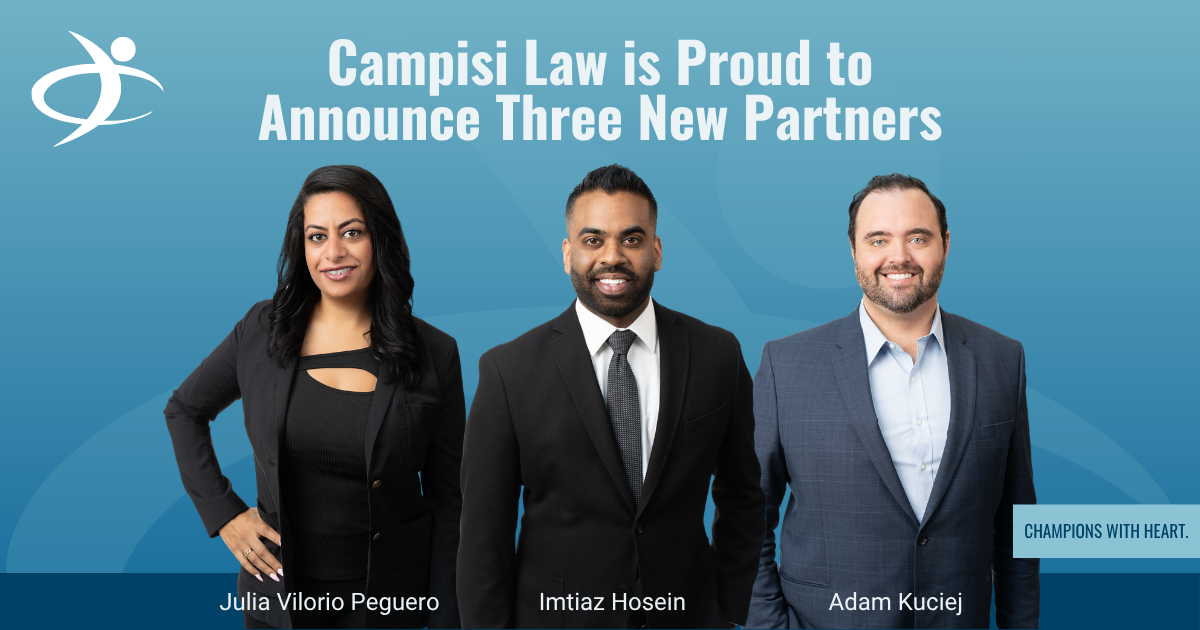
Campisi Law is Proud to Announce Three New Partners: Julia Vilorio Peguero, Imtiaz Hosein, and Adam Kuciej

Julia Vilorio Peguero, Imtiaz Hosein, and Adam Kuciej have each been named Partner at Campisi Law Injury Lawyers. This recognition reflects their dedication to clients, their contribution to the firm, and the standard of work they bring to everything they do.

All three lawyers have been part of the Campisi Law team for years, building their practices around the kind of dedicated, client-first advocacy that defines this firm.

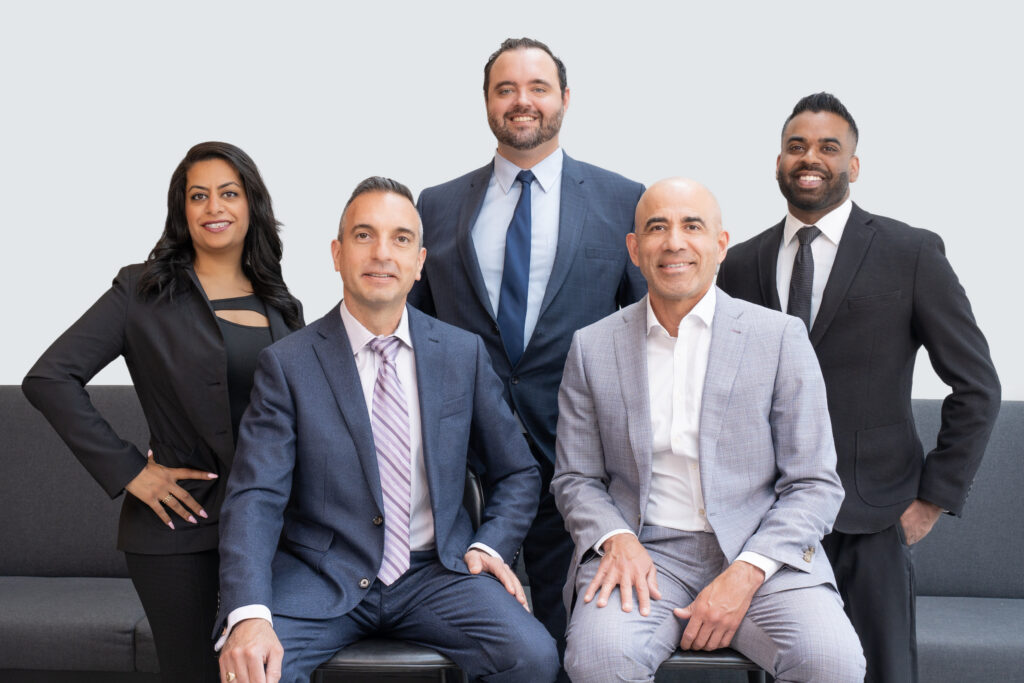
Group of five professionals in suits posing together on a sofa, smiling at the camera (team photo).
From left: Julia Vilorio Peguero, Joseph Campisi, Adam Kuciej, Cesar Carranza, and Imtiaz Hosein. Campisi Law, 2026.

Julia Vilorio Peguero

Julia has dedicated her career exclusively to personal injury law, representing accident victims before the Superior Court of Justice, the Financial Services Commission of
Ontario, and the Licence Appeal Tribunal. Her multilingual capabilities have made her an important point of connection for clients navigating the legal system in their first language. She was recognized in both the 2025 and 2026 editions of Best Lawyers in Canada for Personal Injury, an honour determined entirely by peer recognition.

Imtiaz Hosein

Imtiaz began his career at Campisi Law as a first-year lawyer in 2017 and has grown into one of its leading advocates in high-stakes injury, disability, and insurance litigation. He has been at the centre of many of the firm’s most significant cases, achieving multimillion-dollar settlement results and leading court fights advancing important Charter and disability-rights issues. He currently has two matters pending before the Supreme Court of Canada. Imtiaz is known for his principled and tenacious advocacy that judges have recognized in written decisions. His work has helped clients secure life-changing results. Imtiaz also leads Campisi Law’s summer student and articling programs, training the next generation of champions.

Adam Kuciej

Adam practices exclusively in personal injury, long and short-term disability, motor vehicle accident, negligence, and medical malpractice law. He has represented clients at every level of Ontario’s court system and has completed applications for leave to appeal to the Supreme Court of Canada. His expanding medical malpractice practice brings the same standard of accountability to clients harmed by medical negligence that has defined his personal injury work since he joined the firm. A past Chair of the Ontario Bar Association’s Insurance Section, Adam is known by his clients as a lawyer who is genuinely available and leaves nothing unexamined.

“Julia, Imtiaz, and Adam each bring something distinct to this firm, and all three have earned this recognition through years of genuine commitment to their clients,” said Joseph
Campisi, Managing Partner. “We are proud to call them Partners.”

A Firm Built on Relationships

Campisi Law serves injured Ontarians across the province, with particular depth in the Greater Toronto Area. Our practice is built on the belief that every client, regardless of the complexity or size of their file, deserves direct access to experienced legal counsel and a team that genuinely understands what is at stake.

The addition of three new partners deepens that commitment. Julia, Imtiaz, and Adam each bring distinct backgrounds and client relationships to their roles, and together they strengthen a firm that was already built around long-term relationships with clients, referral partners, and the healthcare community.

We congratulate Julia, Imtiaz, and Adam on this milestone and look forward to everything that follows.

Campisi Law Giving Back: Wearing Capes for a Cause

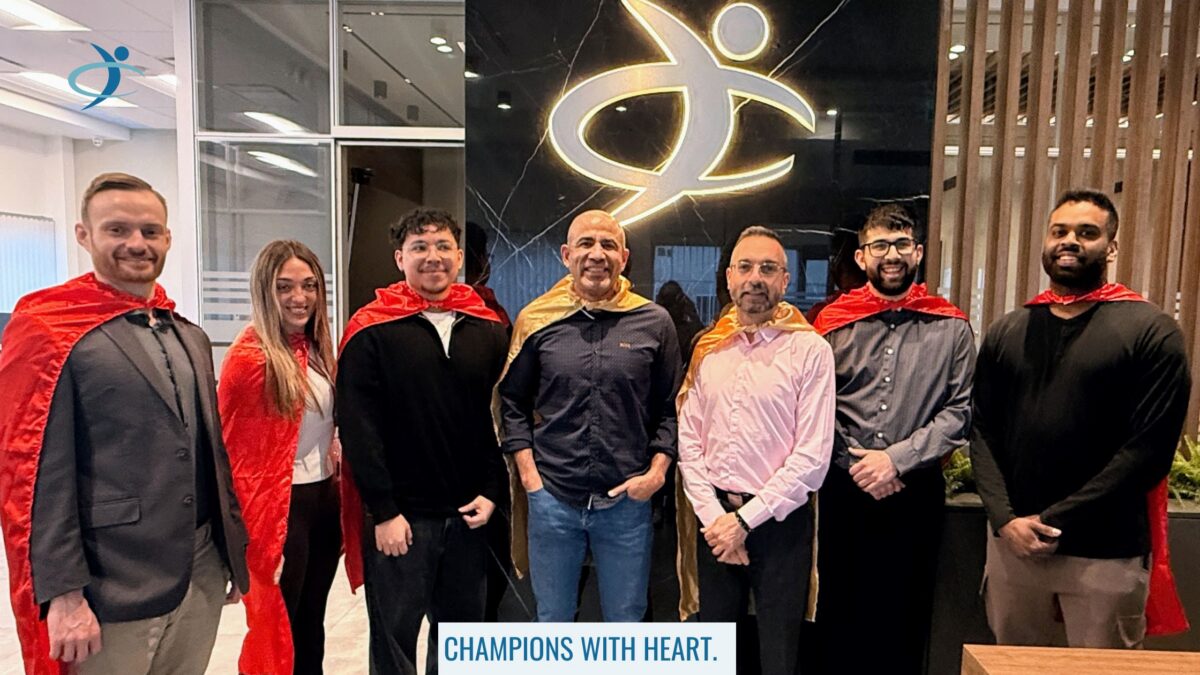
A few weeks ago, our team proudly put on our capes in support of Capes for Kids, standing alongside two very special leaders, our Kid Captains, Shayna and Maverick.

This campaign supports the incredible work of Holland Bloorview Kids Rehabilitation Hospital Foundation, a place where children with disabilities receive life-changing care, therapy, and opportunities to thrive. For many families, the support provided here is not just important, it’s essential.

Why Capes for Kids Matters

Capes for Kids is more than a fundraiser. It’s a movement rooted in courage, resilience, and community. By simply wearing a cape, participants show their support for children who face challenges every day with remarkable strength.

At Campisi Law, we were inspired not only by the mission, but by the spirit of the children themselves. Shayna and Maverick reminded us that bravery doesn’t always look loud, it often shows up quietly, in perseverance, in hope, and in the determination to keep going.

Making a Meaningful Impact

Through this initiative, our team is helping ensure that children and families who rely on Holland Bloorview continue to have access to specialized care, innovative programs, and critical resources.

Every dollar raised contributes to therapies, assistive technologies, and programs that empower kids to live fuller, more independent lives.

We’re proud to stand behind a cause that aligns so closely with what we believe in, supporting people through some of the most challenging moments of their lives.

Join Us in Making a Difference

If you feel inspired to be part of this impact, we invite you to support our team. Whether it’s through a donation or simply spreading the word, every action counts.  Support Campisi Law’s Capes for Kids Campaign Together, we can continue to show up for these incredible kids, not just with words, but with action. Because sometimes, all it takes is a cape to remind someone they’re not alone.

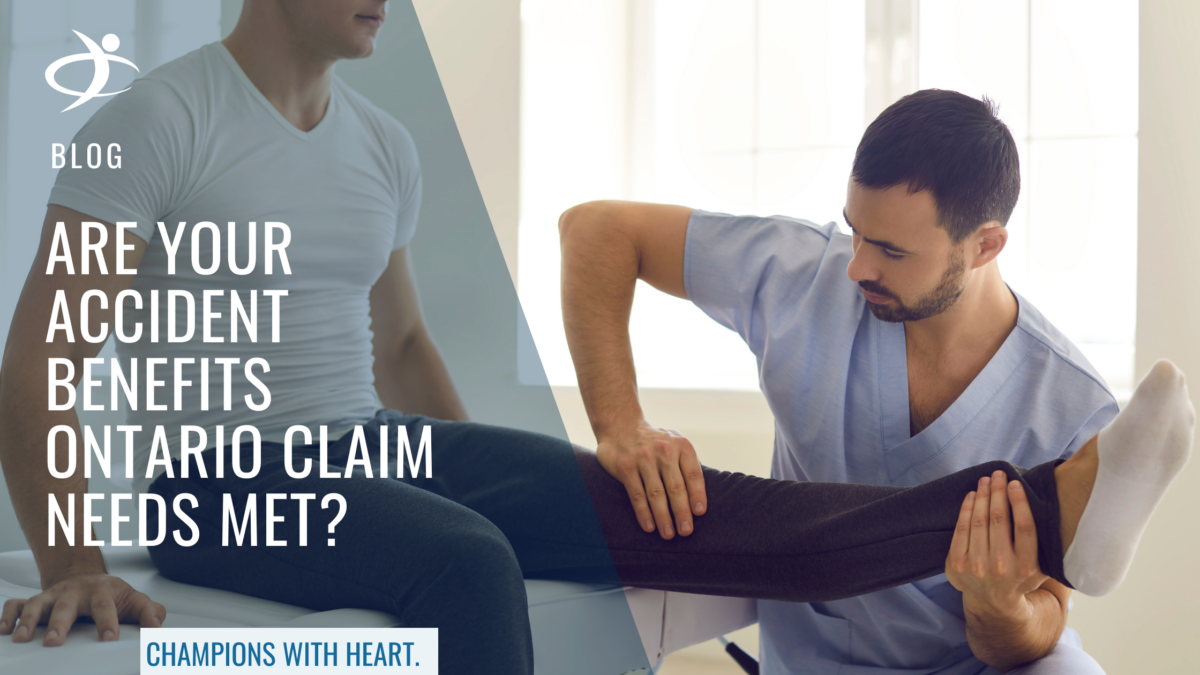
Are Your Accident Benefits Ontario Claim Needs Met?

If you have an active accident benefits claim in Ontario, or you settled one years ago, you may be asking a simple but critical question: are my accident benefits enough?

Ontario’s accident benefits system is designed to provide no-fault coverage after a motor vehicle collision. These benefits can include income replacement, medical and rehabilitation funding, attendant care, and other supports. In theory, they are meant to stabilize your financial and medical situation while you focus on recovery.

In reality, many accident victims discover that their accident benefits claim needs are not fully met. Benefits may be cut off early. Treatment plans may be denied. Income replacement may be capped at a level that does not reflect your real losses. In some cases, people settle quickly without understanding the long-term consequences.

If you are unsure whether your Ontario SABS benefits are sufficient, it may be time to look more closely at your claim.

Understanding How Ontario Accident Benefits Work

Accident benefits in Ontario are governed by the Statutory Accident Benefits Schedule (SABS). The version of the SABS that applies to your claim depends on the date of your accident. Different versions provide different benefit levels, limits, and entitlements.

Accident benefits are available regardless of who caused the collision. They are paid by your own automobile insurer (or another insurer determined under priority rules). These benefits are separate from any lawsuit for pain and suffering.

Common Ontario SABS benefits include:  

  • Income Replacement Benefits (IRBs) for individuals unable to work because of their injuries
  • Non-Earner Benefits for those not employed at the time of the accident
  • Medical and Rehabilitation Benefits for treatment, therapy, and assistive devices
  • Attendant Care Benefits for personal care assistance
  • Caregiver Benefits in certain circumstances

Each category has strict eligibility criteria and monetary limits. Insurers often require medical documentation to approve or continue benefits. Disputes frequently arise over whether treatment is “reasonable and necessary,” whether a person is substantially unable to work, or whether a claimant meets the definition of a catastrophic impairment.

Because the system is technical and evidence-driven, many legitimate claims are reduced, delayed, or denied.

Accident Benefits vs. a Lawsuit: Understanding the Difference

One of the most common sources of confusion after a motor vehicle collision in Ontario is the difference between accident benefits and a lawsuit. Many people assume they must choose one or the other. That is not the case.

Accident benefits and a lawsuit are two separate legal processes. They serve different purposes, are governed by different rules, and compensate for different types of losses.

Accident Benefits: No-Fault Coverage

Accident benefits are available regardless of who caused the collision. They are paid by your own automobile insurer under the Statutory Accident Benefits Schedule (SABS).

These benefits are designed to provide immediate financial and medical support. They may include:

  • Income Replacement Benefits if you cannot work
  • Medical and rehabilitation funding
  • Attendant care benefits
  • Non-earner benefits
  • Caregiver benefits in certain cases

You do not have to prove that another driver was negligent to receive accident benefits. However, you must meet strict medical and eligibility criteria, and insurers often require ongoing documentation to continue payments.

Accident benefits are meant to stabilize your situation while you recover. They are not intended to fully compensate you for every loss.

A Lawsuit: Fault-Based Compensation

A lawsuit, often referred to as a tort claim, is brought against the at-fault driver (and typically defended by their insurer). Unlike accident benefits, a lawsuit requires you to prove negligence.

If successful, a lawsuit can provide compensation for losses that accident benefits do not cover, including:

  • Pain and suffering
  • Past and Future income loss beyond SABS limits
  • Loss of competitive advantage in the workforce
  • Past and Future care costs exceeding accident benefit caps
  • Loss of housekeeping capacity

In Ontario, there are also legal thresholds and deductibles that apply to pain and suffering claims. This makes lawsuits more complex than accident benefits claims.

How the Two Claims Work Together

It is common for injured individuals to have both an accident benefits claim and a lawsuit at the same time. The two processes run separately but can affect one another in certain ways, particularly when it comes to income loss and future care calculations.

For example, if your Income Replacement Benefits are capped at $400 per week but your pre-accident earnings were significantly higher, a lawsuit may address the difference over time. Similarly, if your medical and rehabilitation funding reaches its limit, a tort claim may seek additional future care costs.

Understanding the distinction between these two claims is essential when assessing whether your accident benefits are truly meeting your needs. A careful review of both streams of compensation ensures that nothing is overlooked and that your long-term recovery and financial stability are properly considered.

Catastrophic vs. Non-Catastrophic Impairment: Why the Designation Matters

In Ontario’s accident benefits system, one classification can significantly affect the level of support available to you: whether your injuries are considered catastrophic or non-catastrophic under the Statutory Accident Benefits Schedule (SABS).

This designation is not about how serious your injuries feel. It is a legal definition that determines the amount of funding available for treatment and care.

What Is a Catastrophic Impairment?

A catastrophic impairment is defined under the SABS using specific legal criteria. It can include:

  • Severe traumatic brain injuries
  • Certain spinal cord injuries resulting in paralysis
  • Amputations
  • Significant vision loss
  • Severe psychological impairment
  • A combination of impairments that meet a prescribed threshold

Importantly, what matters most is not just the diagnosis, but the resulting loss of function. Many individuals with seemingly “minor” injuries can experience a profound or even catastrophic loss of function in their daily lives and may still qualify for enhanced benefits under the SABS.

The assessment process is technical. It often requires detailed medical evaluations, specialized testing, and analysis using standardized impairment rating guides.

Because the criteria are complex, disputes frequently arise between treating healthcare providers and insurer-retained assessors.

Why the Designation Changes Available Funding

The difference between catastrophic and non-catastrophic status is substantial.

For non-catastrophic injuries, medical and rehabilitation benefits are subject to strict monetary limits. Attendant care benefits are also capped.

For catastrophic impairments, the available funding increases significantly. Individuals may qualify for:

  • Higher combined limits for medical and rehabilitation benefits
  • Substantially increased attendant care funding
  • Longer access to treatment and support services

For someone living with a brain injury, spinal cord injury, or severe psychological trauma, these increased limits can directly affect their long-term recovery, independence, and quality of life. 

Disputes Over Catastrophic Status

Most often, insurers may whether a person meets the catastrophic threshold. This can result in additional insurer examinations and conflicting medical opinions.

In some cases, individuals with very serious impairments are initially classified as non-catastrophic. Without the higher funding limits, they may struggle to access the therapies, supports, and personal care they require.

A careful review of the medical evidence, functional limitations, and assessment methodology is often necessary when catastrophic status is in dispute.

When a Reassessment May Be Appropriate

Injuries do not always stabilize quickly. Some impairments become clearer over time, particularly in cases involving traumatic brain injury or psychological conditions.

If your condition has evolved since the original determination, it may be appropriate to explore whether a catastrophic impairment assessment should be reconsidered.

Understanding your classification under the SABS is essential when evaluating whether your accident benefits are truly meeting your needs. The difference between catastrophic and non-catastrophic status is not merely technical. It can determine the level of care and financial support available to you for years to come.

Signs Your Accident Benefits May Not Be Meeting Your Needs

You do not have to accept the first decision made by an insurance adjuster. If any of the following situations apply to you, your accident benefits claim needs may not be fully addressed.

You Were Cut Off From Benefits Too Early

One of the most common complaints we hear is: “My accident benefits were cut off.”

An insurer may terminate income replacement or treatment funding based on an insurer’s examination or paper review. Sometimes these decisions are made even though the injured person continues to experience significant symptoms.

If your accident benefits were cut off while you are still unable to work or still require treatment, you may be entitled to challenge that decision. A formal accident benefits review in Ontario can determine whether the termination was justified.

Your Income Replacement Is Too Low

Income Replacement Benefits are subject to statutory formulas and maximums. Many people are surprised to learn that the amount they receive is significantly lower than their pre-accident earnings.

If your benefit does not accurately reflect your income, or if the calculation appears incorrect, your accident benefits may not be enough to cover your essential expenses. In some cases, additional documentation or reassessment can make a meaningful difference.

Your Insurer Denied Recommended Treatment

Another frequent issue involves denied accident benefits in Ontario for medical and rehabilitation services.

Your treating healthcare provider may recommend physiotherapy, psychological counselling, occupational therapy, or assistive devices. The insurer may refuse to fund the treatment, arguing that it is not reasonable or necessary.

When medically supported treatment is denied, recovery can stall. A structured accident benefits review may help determine whether the denial should be overturned.

You Settled the Claim Too Quickly

Some individuals accept a lump-sum settlement of their accident benefits without fully understanding the long-term implications.

A SABS settlement review can help determine whether the settlement was appropriate in light of your injuries and prognosis. Once certain settlements are finalized, reopening them may be difficult. However, in specific circumstances—particularly with older claims—further review may be warranted.

Your Injuries Have Worsened Over Time

Not all injuries improve. Some conditions deteriorate months or even years after a collision.

If your symptoms have worsened, or new complications have emerged, your original accident benefits claim needs may look very different today. In certain cases, reassessment or renewed entitlement may be possible.

When You Can Request an Accident Benefits Review

If you are questioning whether your accident benefits Ontario coverage is sufficient, you may be entitled to seek a review in situations such as:

  • A formal denial of benefits
  • A reduction or termination of weekly payments
  • Disputes over catastrophic impairment designation
  • Disagreements about income calculations
  • Concerns that your insurer relied on incomplete or biased medical evidence

The law requires that insurers follow specific procedural steps before denying or reducing benefits, and any denial must be clear and unequivocal. If the insurance company has not complied with these requirements, the denial or reduction may not be legally valid.

The dispute resolution process is technical and time-sensitive. Missing limitation periods can affect your rights. Acting promptly is essential if you believe your accident benefits claim needs further review.

Can You Reopen an Old Accident Benefits Claim?

Many people assume that once a file is closed, it is closed forever. That is not always the case.

In certain circumstances, it may be possible to reopen an accident benefits claim, particularly if:

  • Benefits were improperly denied
  • Required assessments were never completed
  • The insurer failed to make mandatory offers
  • The claim falls within a specific historical period with unique rules

Insurers are required to follow prescribed procedures when denying benefits, and any denial must be clear and unequivocal. If these requirements are not met, the denial may be invalid, potentially allowing the claim to be revisited.

Older claims are sometimes referred to as cold case accident benefits matters. These files require careful review of the version of the SABS that applied at the time of the accident.

This is especially important for accidents that occurred during the mid-1990s.

Understanding Bill 164 and Its Impact on Older Claims

Between January 1994 and October 1996, Ontario operated under a unique accident benefits regime commonly known as Bill 164 accident benefits. These historical SABS benefits included features that were significantly more generous than later versions.

What Was Bill 164?

Bill 164 replaced the original SABS and introduced enhanced weekly benefits and automatic indexation. Unlike later versions of the SABS, certain weekly benefits were not subject to the same restrictive caps.

Understanding whether your accident occurred during this period is critical when evaluating a potential cold case accident benefits claim.

Why Claims from 1994–1996 May Be Worth More

Under Bill 164:

  • Income Replacement Benefits were calculated at 90% of net weekly income, up to $1,000 per week.
  • Certain benefits were automatically indexed to inflation.
  • Loss of Earning Capacity Benefits (LECBs) were available to recognize permanent impairment affecting employability.

By contrast, later versions of the SABS reduced maximum weekly amounts and removed some long-term benefit structures.

This means that individuals injured between January 1994 and October 1996 may have been entitled to significantly higher long-term compensation than those injured before or after that window.

Example:

Assume an injured person was earning $1,000 per week net at the time of the accident. Under a post–Bill 164 version of the SABS, Income Replacement Benefits could be capped at $400 per week unless optional coverage was purchased.

Under Bill 164 accident benefits, that same individual could receive 90% of net income — $900 per week — with automatic annual indexation. Over time, the financial difference could be substantial.

Could Your “Cold Case” Claim Qualify for Additional Compensation?

In some Bill 164 cases, insurers were required to make Loss of Earning Capacity Benefit offers at the two-year mark—even if entitlement to weekly benefits was disputed.

If that process did not occur properly, or if benefits were prematurely terminated, there may be grounds for review.

Many people have lived for decades with serious impairments that reduced their earning capacity, without realizing that their historical SABS benefits may have been undervalued.

Example:

If, two years after the accident, a person was earning $1,000 per week before the accident but only $500 per week after returning to part-time work, Bill 164 provided a benefit to make up for some of the lost income.

The benefit starts after two years and is based on the difference between what the person could earn before the accident and what they can earn after. It pays 90% of that difference.

That benefit could continue long-term and was subject to indexation, depending on eligibility and assessment findings. Later versions of the SABS removed this structure.

How We Help Accident Victims Get the Benefits They Deserve

Accident benefits disputes are not just about paperwork. They affect your ability to pay bills, access treatment, and plan for the future.

We offer a free review accident benefits Ontario files to determine:

  • Whether benefits were properly calculated
  • Whether denials were justified
  • Whether weekly benefits were terminated prematurely
  • Whether historical SABS benefits, including Bill 164 accident benefits, were correctly applied

If your accident benefits were denied, cut off, or settled without full understanding of your rights, a careful review may clarify your options.

How Does Bill 164 Affect Older Accident Claims?

Bill 164 can significantly affect older accident claims because of its higher weekly benefit limits and automatic indexation features.

For qualifying accidents between January 1994 and October 1996, long-term Loss of Earning Capacity Benefits could potentially continue for years, subject to specific assessment mechanisms.

Determining whether a historical claim still has viable issues requires detailed examination of the original file, medical evidence, and benefit calculations.

Final Thoughts

Ontario accident benefits are meant to provide support after a collision. However, many people eventually ask: are my accident benefits enough to meet my long-term needs?

If your benefits were denied, reduced, or cut off—or if you are concerned that an old claim was never fully resolved—it may be worth revisiting your file.

Understanding your accident benefits claim needs today could make a meaningful difference in your financial security and recovery.
From Minor Damage to $3,875,000 Settlement

Led by Campisi trial lawyers Imtiaz Hosein and Christos Kakaletris.

Early in the case, Mary’s* claim was valued at $300,000.
Just prior to trial, her injury claims settled for $3,875,000.**

That jump didn’t come from some last-minute breakthrough. It came from years of quiet, disciplined trial preparation.

Rather than focus on the property-damage photos, our team built a trial-ready case, step by step. They did not argue with the photos. Instead, they put forward the evidence the photos could not discount: the real impact on Mary’s life.

As the trial date approached, the defence couldn’t keep selling “minor damage” as “minor injury.” They had to confront the real monetary consequences of losing at trial.

How the Defence Tried to Discount Mary’s Case

Mary was stopped in traffic when she was rear-ended. The property damage appeared modest. That modest property damage became the defence narrative: “minor damage, minor injury.”

What the Photos Missed: The Real Loss

What looked minor on the surface had serious and lasting consequences in Mary’s life. The real harm was not visible in the photographs of the vehicles. It showed up in the limitations she faced afterward and in the disruption to her everyday life.

These “invisible” injuries are often minimized because they are easy to label “subjective.” But “subjective” does not mean “not real.” It means the harm shows up in a person’s life, not in a photograph.

Why the Valuation Changed

The “minor damage, minor injury” narrative often accompanies modest offers, and sometimes no offers at all. But our team prepared the case for trial so that, as trial approached, the valuation had to reflect the evidence and the risks of trial, not just the optics of the vehicle damage. That meant:

  • taking the time to understand and present Mary’s day-to-day reality, so her limitations could not be dismissed
  • securing expert evidence that could withstand cross-examination
  • using pre-trial motions and strategies to narrow the fight and deal with evidentiary disputes early

The Settlement

Days before trial, Mary’s injury claims settled for $3,875,000.

Thank you to Mary for the trust she placed in the Campisi Law team. We hope this resolution provides stability and certainty for her and her family going forward.

At Campisi Law, we look beneath what is visible on the surface. We regularly act for clients with brain injuries, psychological injuries, chronic pain, and other serious impairments. We secure the evidence needed to make invisible injuries visible and to have cases valued properly. If you are still struggling after a collision, contact our team to request a consultation.

*Client name changed to protect privacy
**Past results are not necessarily indicative of future results. Outcomes vary according to the facts of each individual case.

Mary’s legal team.

Imtiaz Hosein represents catastrophically injured and disabled clients in tort and accident benefits claims. Known for his tenacious advocacy and client-first approach, he has built a reputation for turning difficult cases into meaningful results, helping clients rebuild their lives and recover the care, income, and independence they deserve. [Read his full bio]

Christos Kakaletris is a personal injury litigator focused on serious and catastrophic claims, known for pairing legal precision with relentless client advocacy. He approaches every file with a commitment to institutional accountability and a drive to push the boundaries of what justice demands. [Read his full bio]

2026 Ontario Auto Insurance Thresholds and Deductibles: What You Need to Know

Understanding how statutory thresholds impact your pain and suffering compensation 

Recently, the Financial Services Regulatory Authority of Ontario (FSRA) published its 2026 Automobile Insurance Indexation Amounts Guidance. This Guidance, effective January 1, 2026, establishes the amounts related to insurance claims that are subject to indexation for 2026. Indexation is tied to the Canadian Consumer Price Index (CPI) and varies year to year. 

The FSRA Guidance impacts the statutory threshold and deductible for determining “non-pecuniary” tort awards arising from the use or operation of an automobile. Such awards are usually referred to as “general” damages and are intended to compensate a collision victim for pain and suffering, loss of amenities and loss of enjoyment of life. Damages awards below the threshold amount (for 2026, this amount is $159,708.71) will be subject to a deductible. A similar threshold and deductible are applied to successful claims by family members for loss of care, companionship, and guidance under the Family Law Act (FLA). 

What Does This Mean for You? You Could Win Your Case and Receive Zero Compensation for Pain and Suffering 

The government created these thresholds with the stated goal of controlling insurance costs and reducing what they called “minor” injury claims. In theory, the idea was to keep smaller claims out of court so insurance premiums wouldn’t keep rising. 

In reality, these rules create a serious trap for injury victims. Here’s the problem: many legitimate, life-altering injuries result in general damage awards that fall below the $159,708.71 threshold. When that happens, a massive deductible gets applied and in some cases, you could win your case but walk away with nothing for your pain and suffering. 

This system essentially tells injured people: unless your pain and suffering is valued at over $159,708.71, you’ll lose a significant portion of what a jury thinks you deserve or potentially all of it. It doesn’t matter how much your injury has impacted your daily life, your ability to work, or your quality of life. If the number falls below the threshold, the insurance company gets to keep tens of thousands of dollars that a jury awarded to you. 

Who Benefits? Who Loses? 

The insurance industry benefits enormously from these thresholds. They act as a built-in discount on jury awards, allowing insurers to avoid paying full compensation even when a jury has determined an injury victim deserves it. 

Everyday people lose. The thresholds discourage many legitimate claims from ever being pursued because victims and their lawyers know that even a successful trial could result in zero compensation. Meanwhile, insurance companies continue to profit while injured people struggle with ongoing pain, lost wages, and medical expenses. 

The statutory thresholds were created to control the rising cost of personal injury litigation. In practice, they act as a deterrent to many serious personal injury claims and offer a windfall to the insurance companies. Without knowing it, if a jury awards a plaintiff or family member less than the threshold amount for a given year, that award is automatically subject to the applicable deductible amount. This means that a successful claimant could receive ZERO compensation for pain and suffering, or at least be disentitled to a significant portion of their damages on the merits of the case. 

General damages that do not meet the threshold will be subject to a $47,913.01 deductible in 2026, up from $46,790.05 in 2025. FLA damages that do not meet the threshold will be subject to a $23,956.52 deductible, up from $23,395.04 in 2025. 

Example 1: The plaintiff suffered a fractured right wrist and soft-tissue injuries to his lower back, right knee and hip. His back pain resolved after several months of physiotherapy. At trial it was determined that the ongoing right knee and hip impairment was from a pre-existing condition, not a collision-related injury. After the fracture healed, the plaintiff continued to suffer from wrist pain with mild deformity and reduced grip and pinch strength. 

At trial in 2025, the jury found that the plaintiff had suffered a permanent and serious injury to his wrist and awarded $35,000.00 for pain and suffering. However, since the award was lower than the threshold for 2025, and the deductible at that time was $46,790.05, the plaintiff received nothing for pain and suffering. 

Example 2: The plaintiff suffered from chronic neck and shoulder pain with a “frozen” right shoulder, severe daily headaches, depression and anxiety. Despite ongoing treatment, her condition did not improve, and she could not return to work. 

At trial in 2025, the jury accepted that the plaintiff’s chronic pain had impacted every aspect of her life and awarded $140,000.00 for pain and suffering. However, since the award was lower than the threshold of $155,965.54, a deductible of $46,790.05 was applied, reducing her pain and suffering compensation to $93,209.95. 

If you have been seriously injured in a car accident and have questions or concerns about your legal rights, we are pleased to offer a free consultation. 

Put the experts to work for you. Campisi Injury Lawyers, Champions with Heart! 

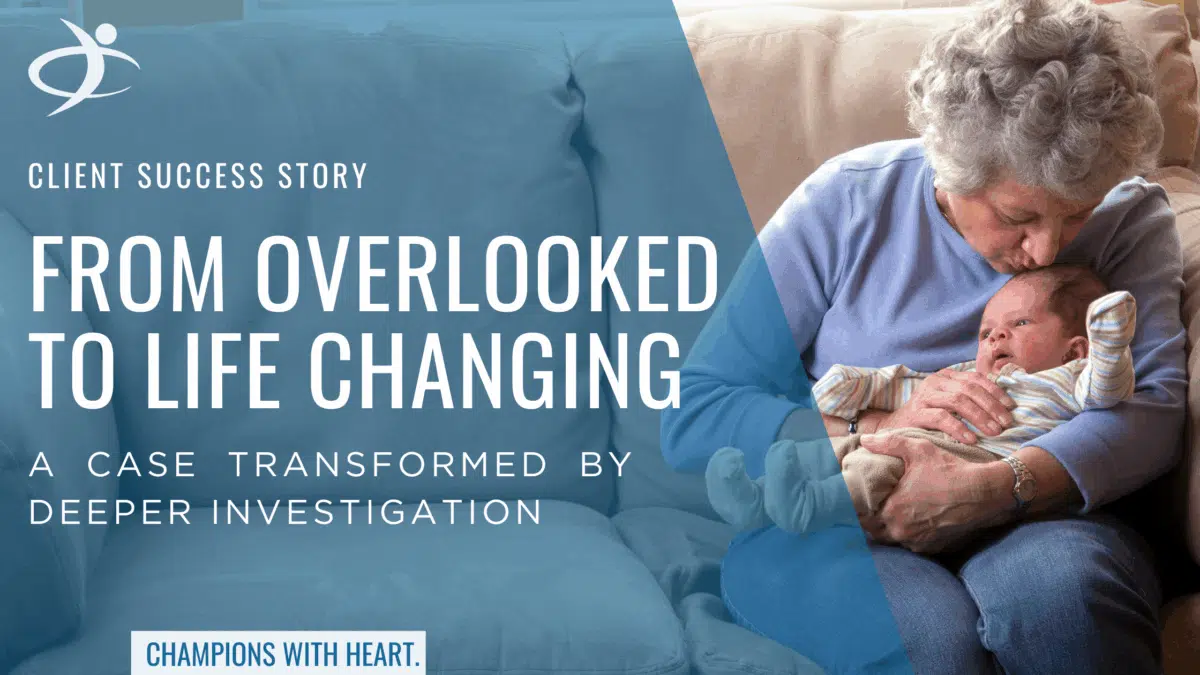
From Overlooked to Life Changing: A Case Transformed by Deeper Investigation

Cheryl’s case looked straightforward. Settlement offers reflected that assumption. The reality was far more complex — and far more valuable.

Cheryl, a devoted grandmother, faced mounting challenges after a serious car accident. Initial settlement discussions centered around $85,000 total. Campisi Law recognized the case’s true complexity and secured $822,765 — nearly 10 times that amount.

Read More about From Overlooked to Life Changing: A Case Transformed by Deeper Investigation

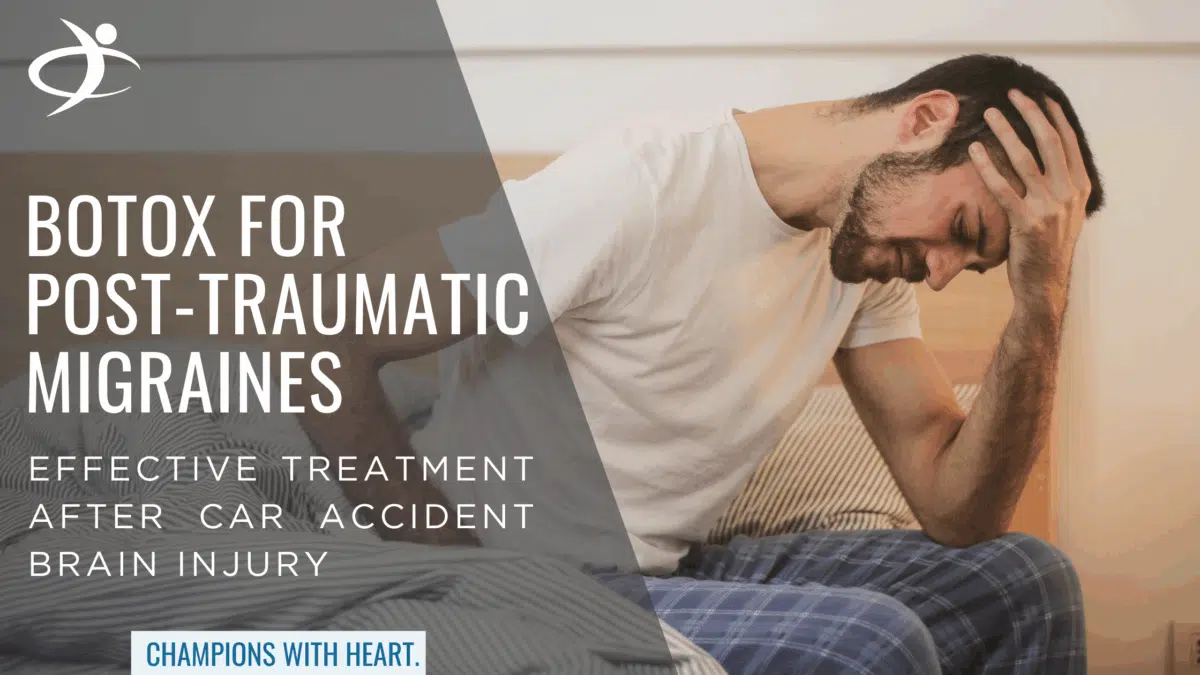
Botox for Post-Traumatic Migraines: Effective Treatment After Car Accident Brain Injury

If you’ve suffered a brain injury in a motor vehicle collision, or other incident and are experiencing chronic headaches, you’re not alone. Post-traumatic headaches affect up to 85% of patients with brain injuries, with many experiencing more than 15 headache days per month. Migraine headache is the most common type of post-traumatic headache. While many people associate Botox with cosmetic treatments, it’s actually Health Canada-approved as an effective second-line treatment for chronic migraines—including those that develop after brain injuries from personal injury accidents.

We recently spoke with Dr. Chantal Vaidyanath, Physician Lead of the Head Injury Clinic at St. Michael’s Hospital, about this promising treatment option. Dr. Vaidyanath specializes in the diagnosis and treatment of post-traumatic migraines and given her extensive experience with Botox injections for spasticity management, she is now offering Botox injections for migraine management. The insights shared in this article are based on our conversation with her about how this treatment can help brain injury patients reclaim their quality of life.

Read More about Botox for Post-Traumatic Migraines: Effective Treatment After Car Accident Brain Injury

From $0.00 to $2+ Million in Entitlements: Imtiaz Hosein of Campisi Law Secures CAT Win for Injured Mother

For nearly a decade, Wawanesa dragged its feet—delaying, denying, and refusing to do what was right.

For nearly a decade, Ms. S was overlooked and ignored. By her insurer. By the system. By her prior representatives. She was left to navigate injuries caused by a motor vehicle accident without support, without acknowledgment, and without funding for benefits her doctors and therapists said she needed. But when she came to us, we listened. We acted. And we proved that even after years of being ignored, justice can still be achieved in the right hands—and for Ms. S, an opportunity to make life a little more livable.

Read More about From $0.00 to $2+ Million in Entitlements: Imtiaz Hosein of Campisi Law Secures CAT Win for Injured Mother